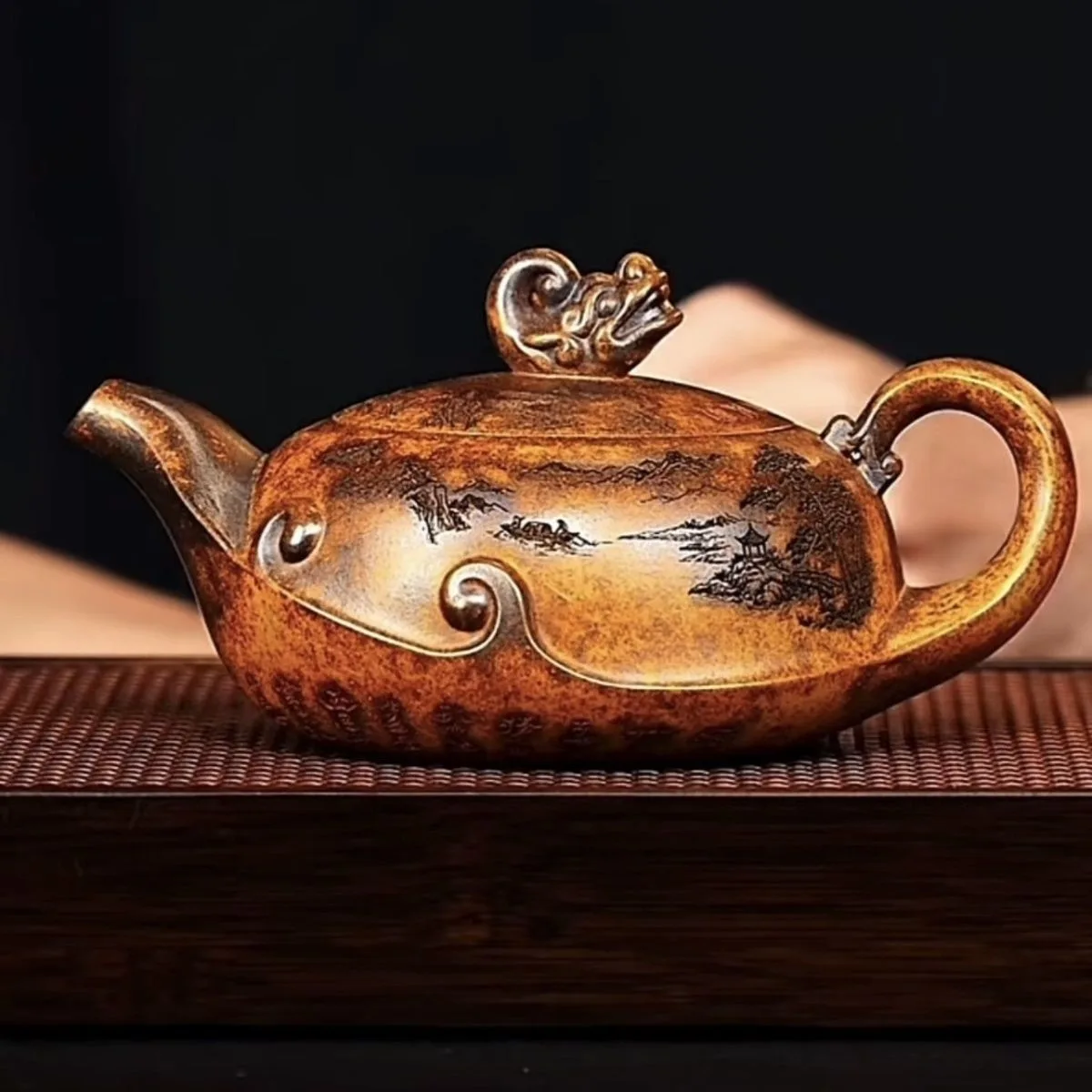
Yixing Wood-Fired Zisha Teapot Smooth Sailing 380cc
SKU: NW-002
$66.67/ 把
$66.67
1
Unit: 把- Sourced direct from Chaozhou
- Delivered in Vietnam
- 15-day returns
- Free replacement if broken in transit
Payment
CODMoMoZaloPayVisaMastercardBank transfer
✓ Direct from Source✓ Vietnam Delivery
Specifications
ClayYixing original-ore zisha, longgu jinsha clay
FiringTraditional wood firing, unglazed
Capacity380cc
BodyCurved body, not a flat round surface
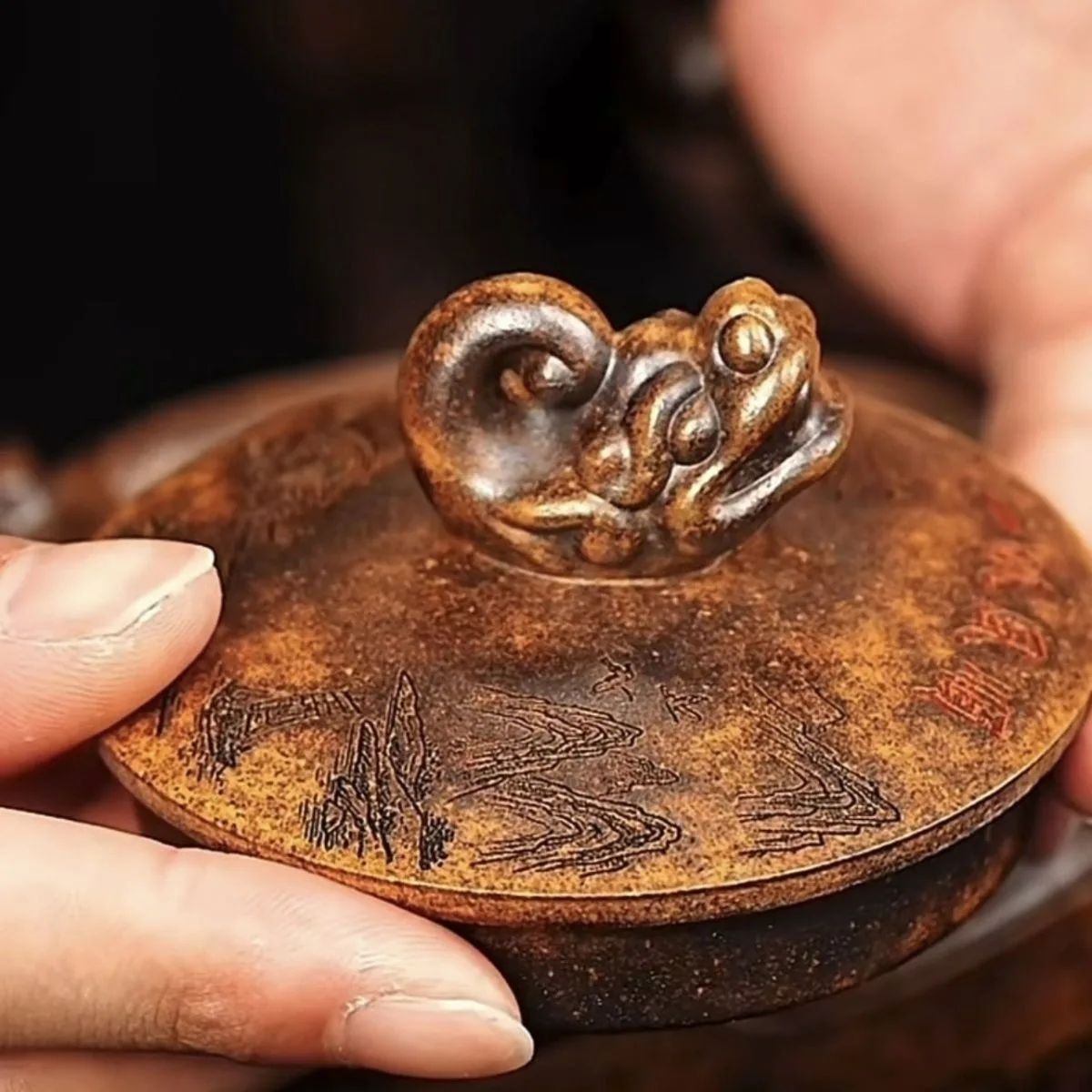
LidInset lid seated into the rim
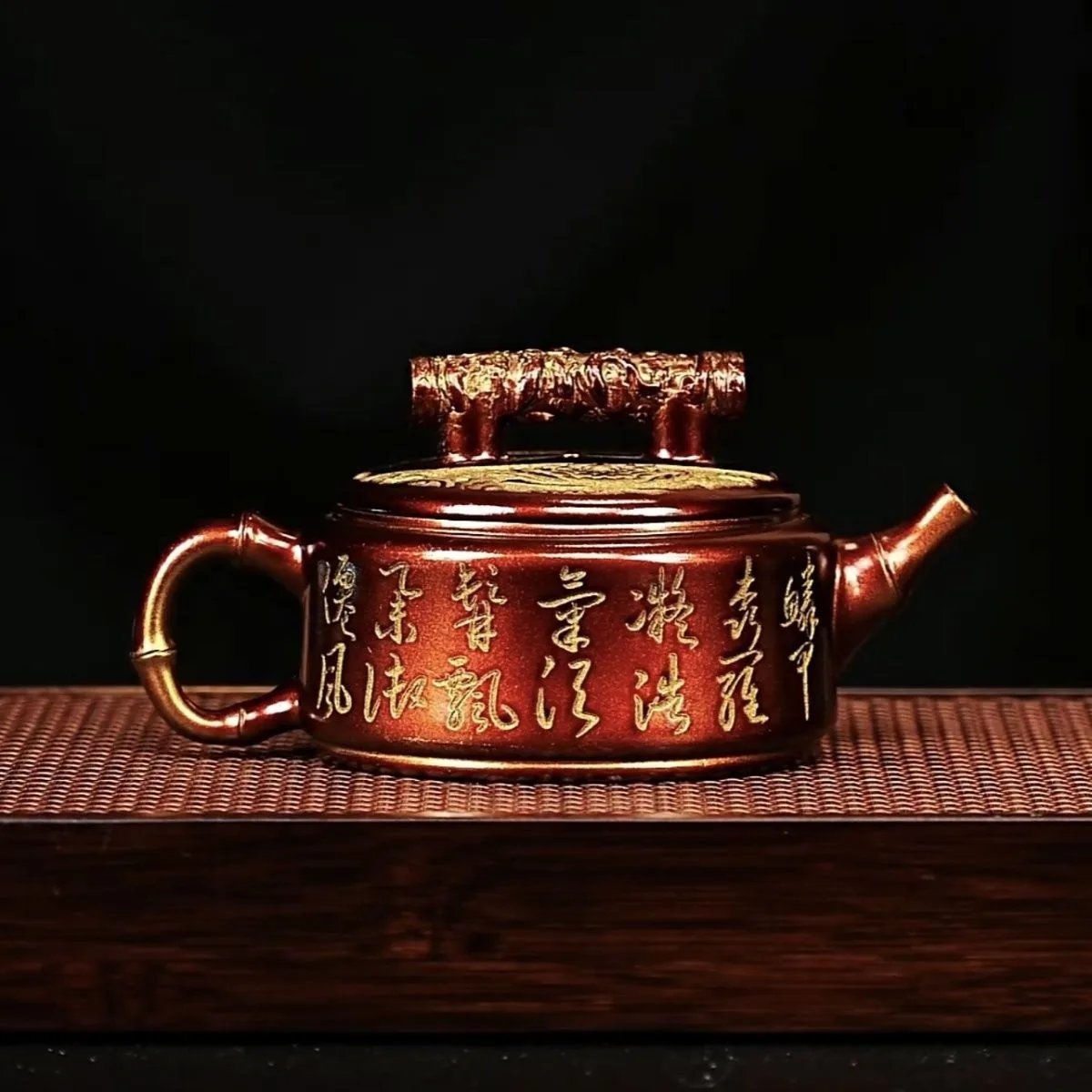
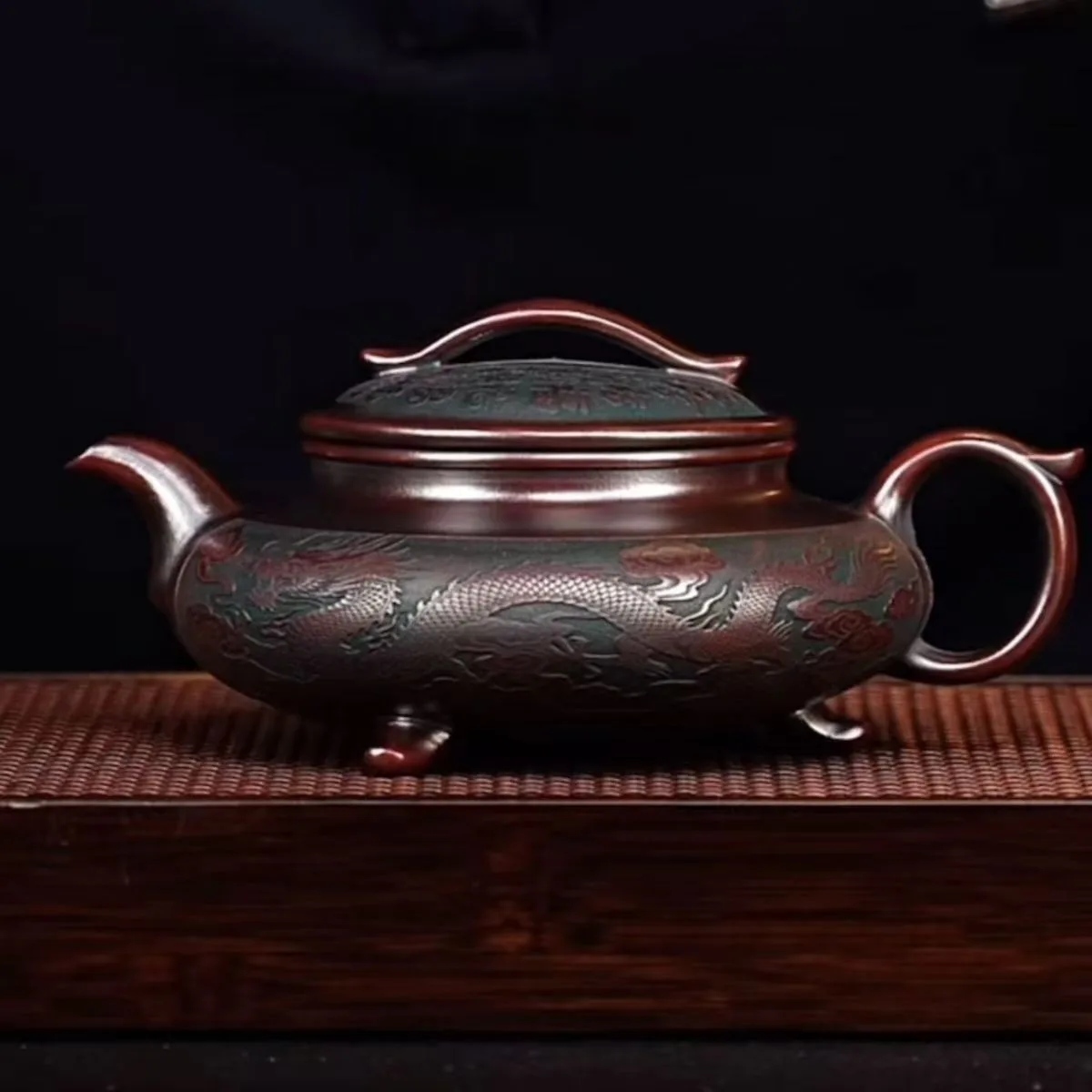
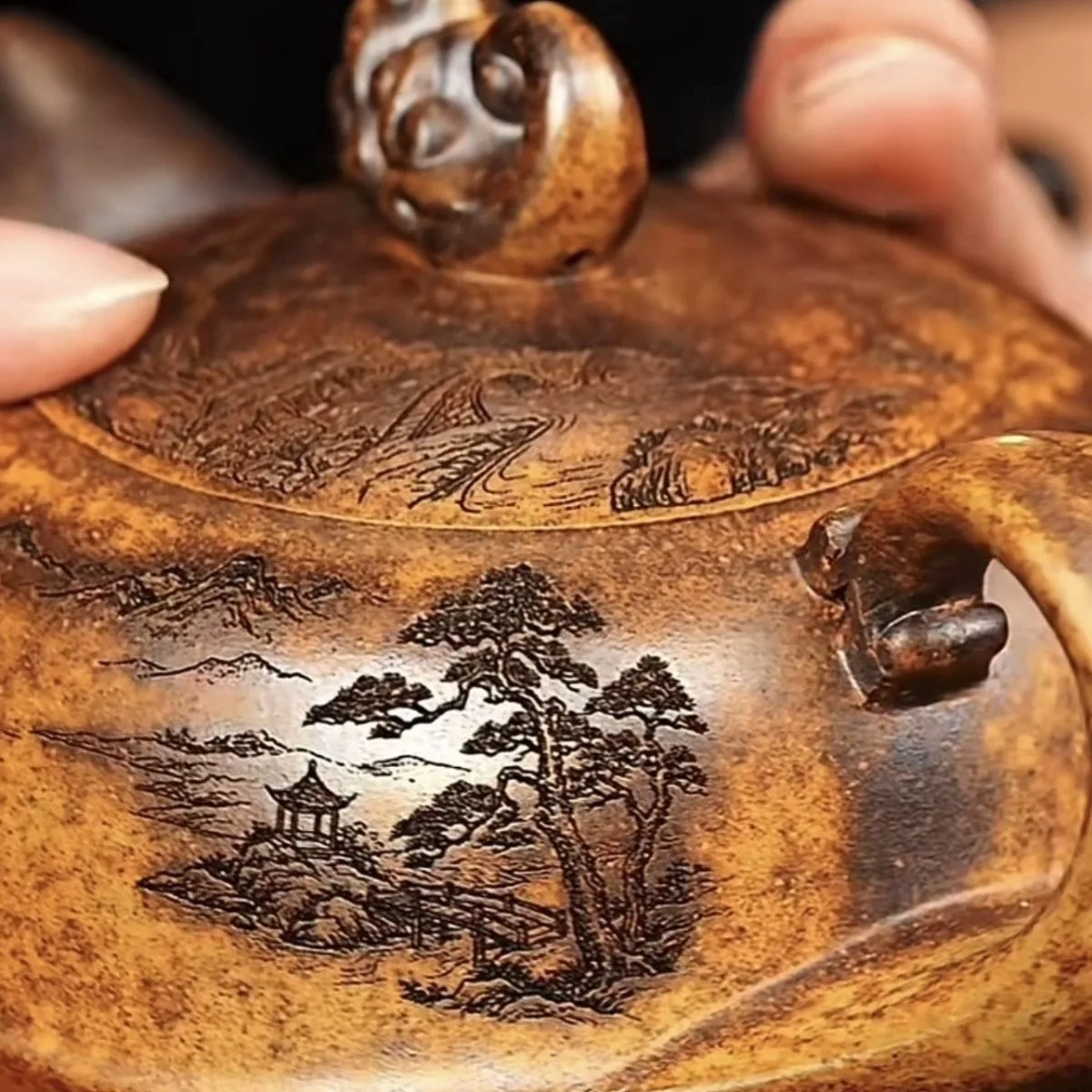
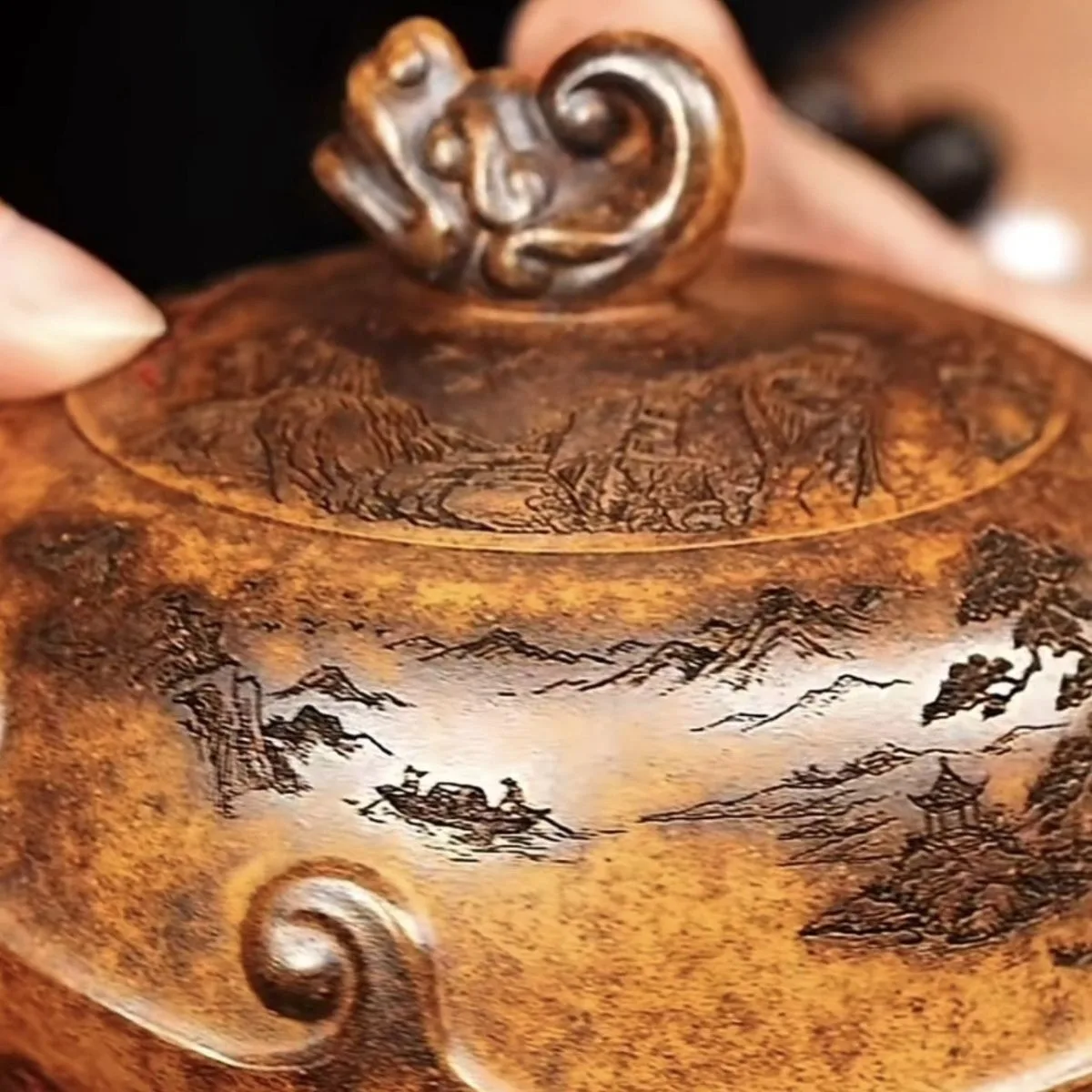
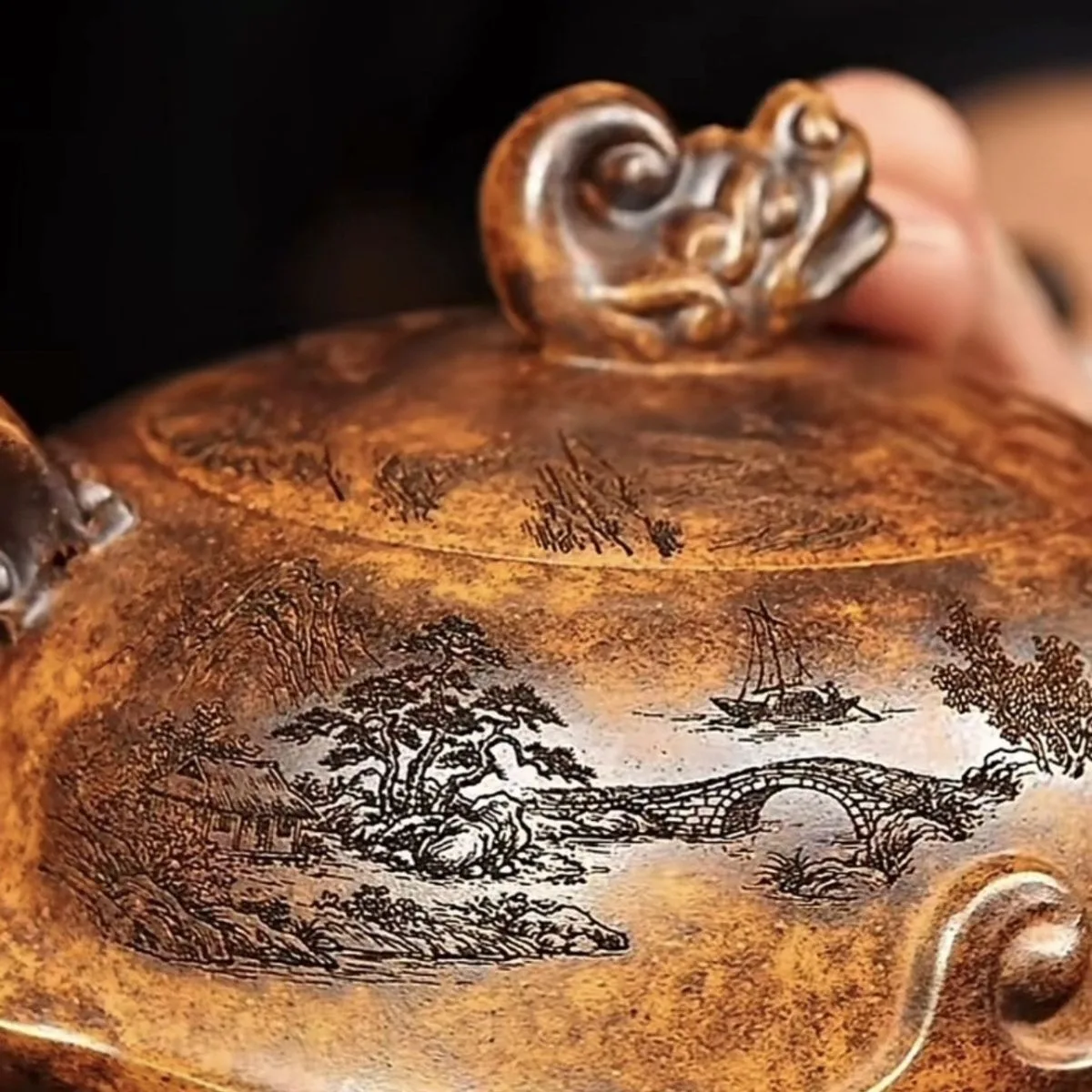
DecorationHand-sculpted waves, incised landscape, sculpted knob
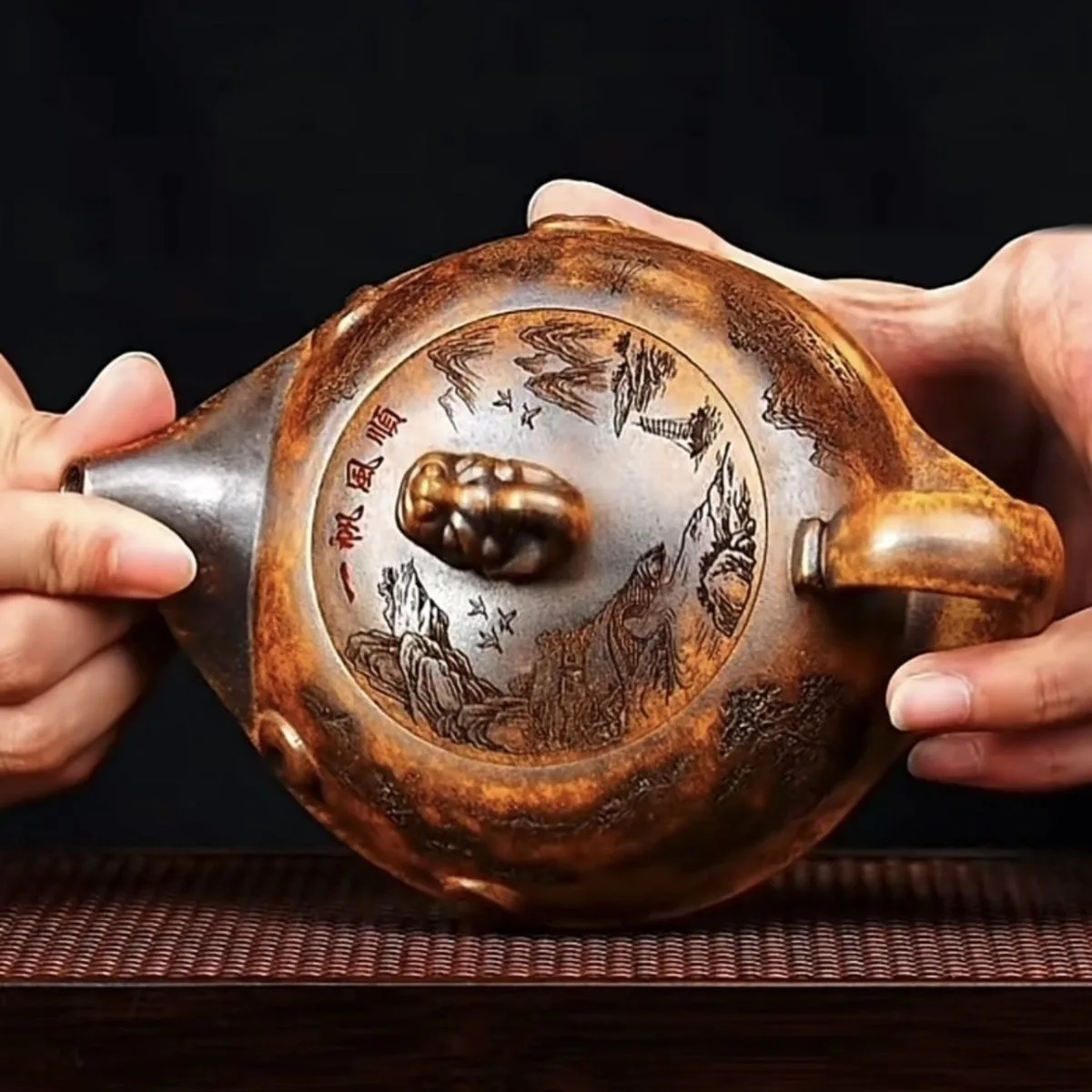
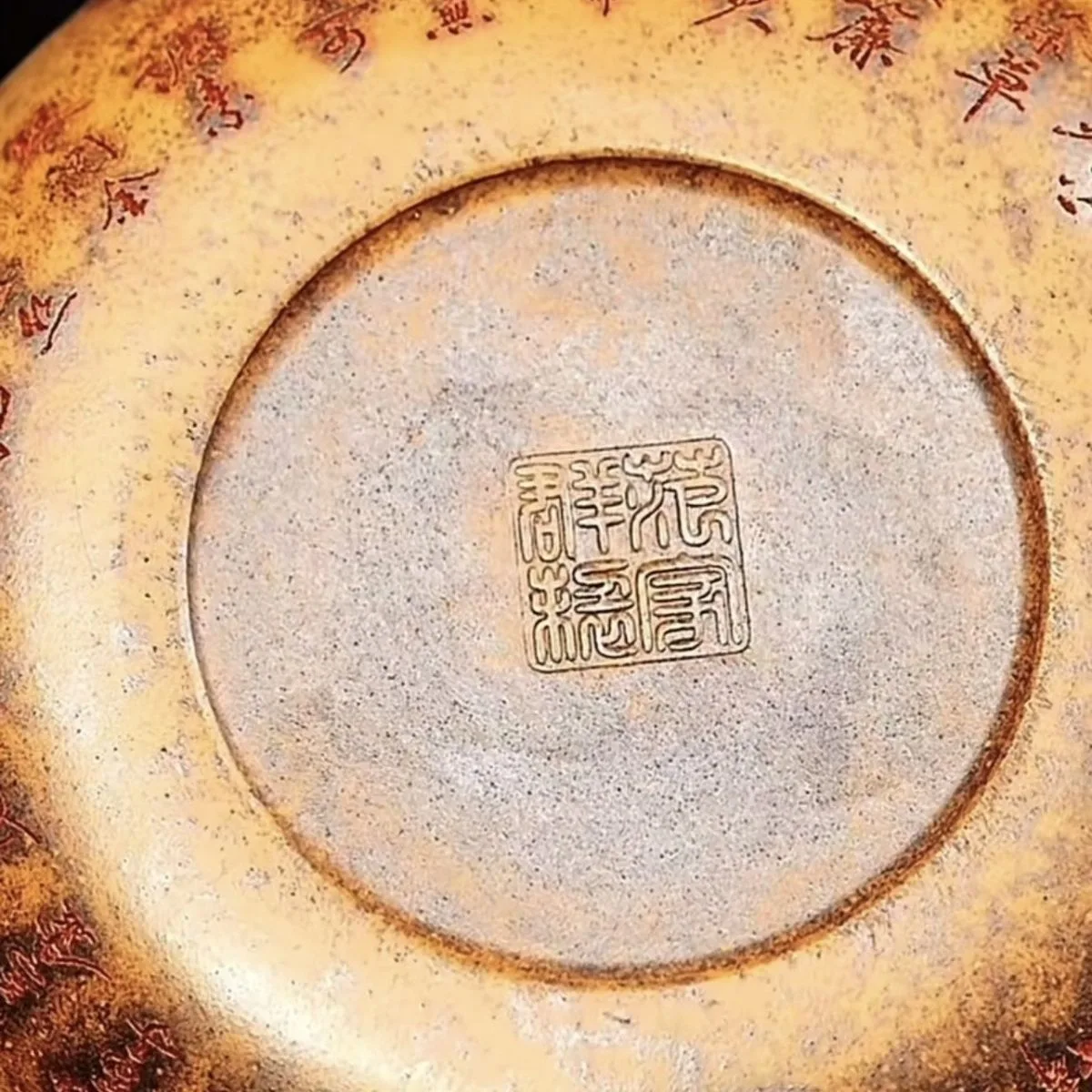
Base markSeal mark reading Pham Gia Quan, red seal and calligraphy
Measured size380cc capacity; curved body, inset lid
Product photos & details
Description
Clay and firing
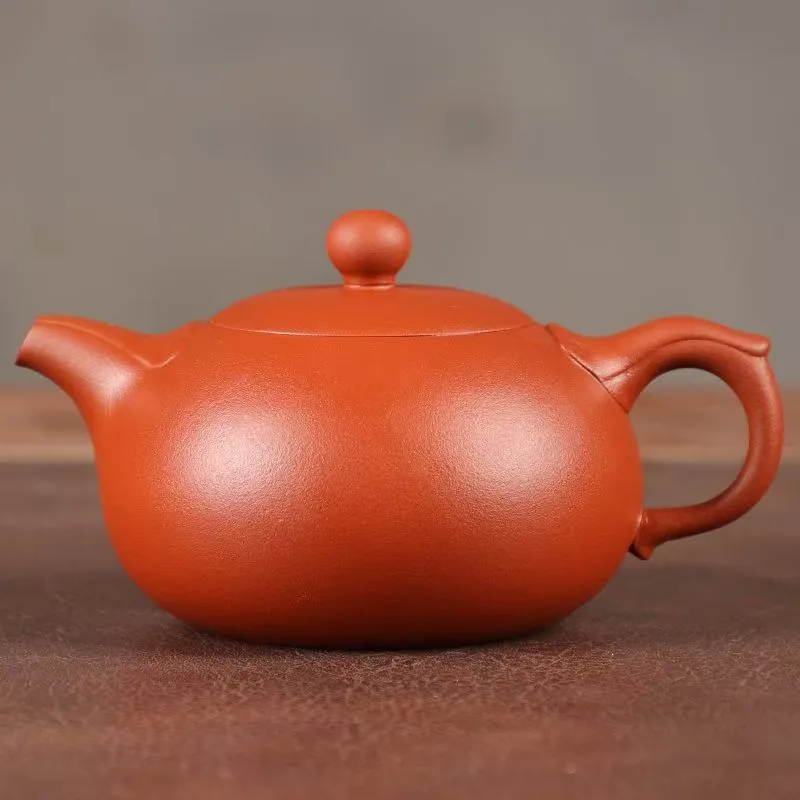
This pot is made from original-ore Yixing zisha known as longgu jinsha, fired with wood in the traditional way. The flame does not travel evenly through the kiln, so each part of the surface takes a slightly different tone: deep red-brown here, warmer gold there, darker in the hollows. That colour comes from the clay and the fire, not from a glaze or a sprayed coating. There is no layer to peel, streak or fade, even with boiling water every day. Hold it close and the surface is faintly gritty with visible mineral grains — the mark of original ore, not a finishing fault. For drinkers who brew strong tea, this matters most: the pot adds no stray smell to the water and does not change colour after a few weeks of use.
A curved body, sculpted by hand
Most teapots have a flat, round body pressed from a mould, so one looks much like the next. This one is built around a continuous curve; turn it under light and the change in the surface is obvious. Waves are modelled in relief around the body, while rocks and trees are incised into the clay as a single landscape that carries from the body up onto the lid. Even the knob is sculpted by hand into a solid form that is easy to grip and light to lift. A curve like this cannot be pressed out in one pass: each section is corrected by hand, and each carved line is added only after the clay body has set. That is where the price comes from — hours of a maker's time, and the fact that no two pots carry identical lines — rather than from a glossy outer finish.
Inset lid and 380cc capacity
The lid is inset: its rim sits down inside the mouth of the pot and seats squarely when placed. Capacity is the first number to check when buying a teapot online, because you cannot hold it in your hand first. At 380cc this pot makes one full, strong brew and pours several small cups without needing a second steeping midway through. It suits the habit of brewing a whole pot and dividing it out, and it works well for tasting one batch of tea before ordering more.
The mark on the base
Turn the pot over and you will find a square seal carved with the name Pham Gia Quan, a red seal impression and a few lines of calligraphy beside it. You can check this directly against a photograph of the base rather than relying on a seller's description. We state only what is visible on the pot: no titles, no awards and no claim that the name on the seal makes the piece an appreciating collectible.
Specifications and care
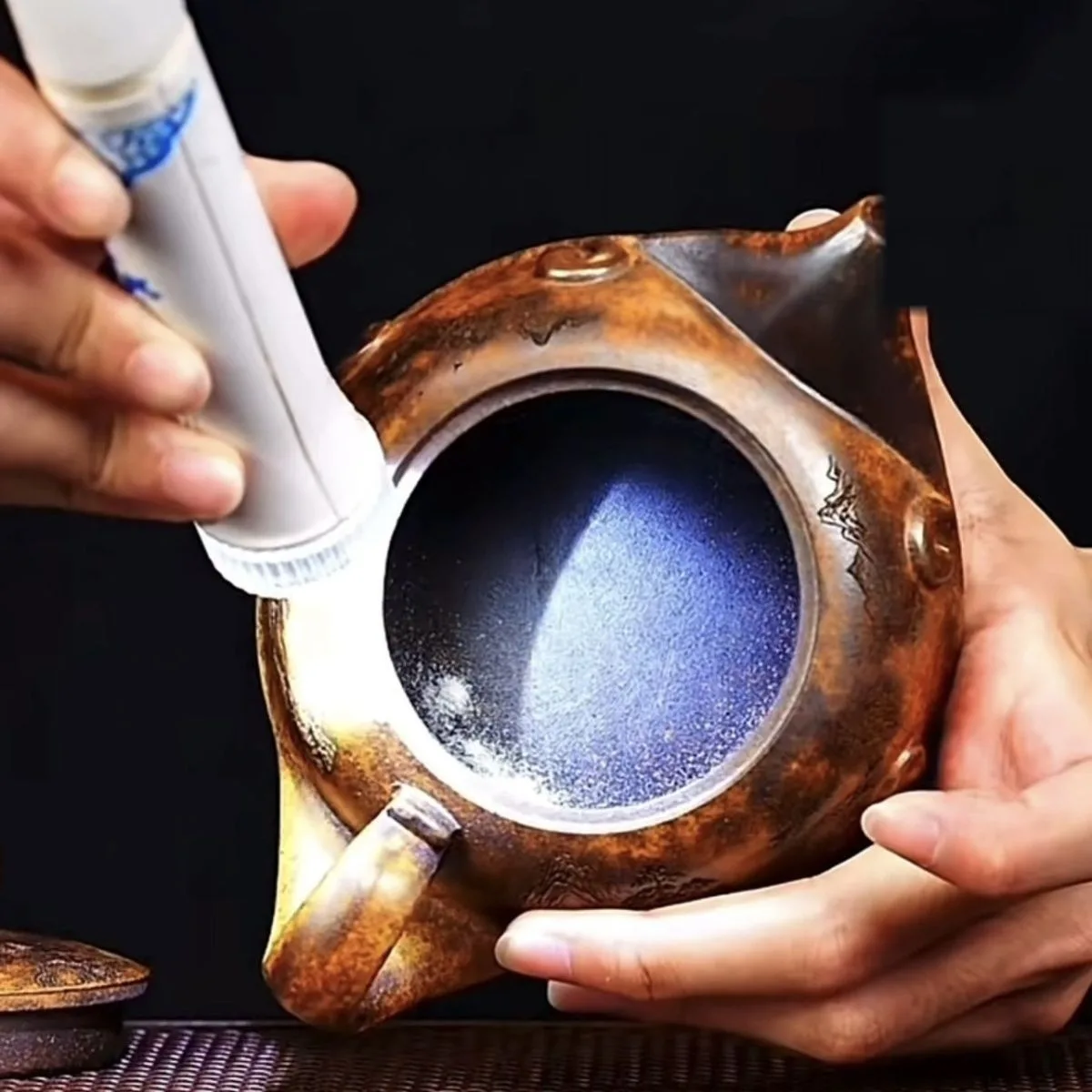
Capacity 380cc; curved body, inset lid; original-ore zisha, wood-fired and unglazed. Keep one pot for one kind of tea, rinse with clean water and let it air-dry; avoid dish detergent, since unglazed clay holds odours easily. If you need measured photos of the height, width and mouth diameter, or a video showing the inside of the pot, message Zalo: 0899286999 and we will send photographs taken from the actual piece — we do not substitute catalogue images for the real thing.